
Genoa, the magical port city
 Genoa (Genova) is the capital of the Ligurian region and the sixth largest city in Italy. 558, 745 inhabitants live within the city limits. Located on the Gulf of Genoa in the Ligurian sea, it remains one of the most important ports on the Mediterranean. Genoa is the busiest port in Italy and the 12th busiest in the European Union.
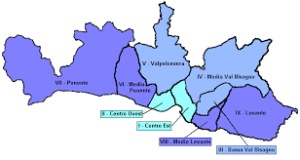
The 9 districts of the present municipality of Genoa. The original municipality correspond to the Municipio I Centro Est and part of Municipio II Centro Ovest (cyan area).
Climate: The summers in Genoa are usually short, very warm , and humid with mostly clear days. Winter days are long, cold and partly cloudy. The temperature over the year typically varies from 42 degrees F to 81 degrees F. It rarely dips below 35 degrees Farenheight or above 87 F. Probably the best season to visit Genoa for beach or water activities is from late June to late August.
Geography: Genoa is located about 75 miles (120 km) south of Milan on the Gulf of Genoa. The city is found on a narrow coastal plain and the western slopes of the Apennine Mountain Range.
History: Genoa was the capital of one of the most important maritime republics from the 11th century to 1797. Most importantly from the 12th century to the 15th century, the city was a leader in the commercial trade in Europe, as it became one of the largest naval powers on the continent and among the wealthiest cities in the world with an abundance of impressive landmarks. The city had massive shipyards and steelworks since the 19th century, and has a solid financial sector which dates back to dates back to the Middle Ages. Among its treasures is The Bank of Saint George founded in 1407, is the oldest known state deposit bank in the playing a prominent role in the cities’ success. Genoa boasts the largest historic center in all of Europe.
Culture:
The official language is Italian, which was isolated from a variety of Tuscan italian. However, of the number of languages (erroneously called “dialects”), Genoese, locally called zeneise or zeneize (Ligurian: [zeˈnejze]), is the prestige dialect of Ligurian, spoken in and around the Italian city of Genoa, the capital of Liguria.
Each region in Italy and possibly all cities, have their own cultural food and specialities, and Genoa is no exception.
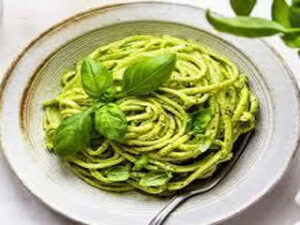
While pesto is consumed across the world today, it originated in Genoa, making it one of the area’s most iconic foods. The basil comes from an exceptional type of basil which grows high in the Ligurian mountains in the region of Pra in Genoa, which makes traditional Genoa pesto unique. With tiny green leaves, this plant packs a punch of flavor in each bite. Be sure to also try the famous local dish of pestopasta with green beans and potatoes.
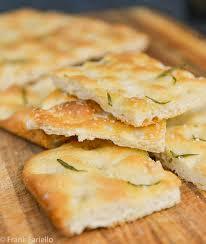
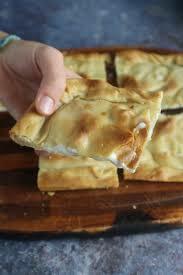
Authentic Genovese focaccia‘s (left) exact taste and texture is nearly impossible to copy, because of the use of authentic Ligurian olive oil.
Recco is a small village known for not much more than its famous focaccia (right). This type differs from the popular yeasted, pillowy bread in the traditional Genoa dish just discussed. This flatbread from Recco is made of two sheets of the thinnest dough and filled with a soft Alpine cheese called stracchino.
Pansotti is deeply rooted in the region’s terroir, i.e.,made with simple, local ingredients. Pansotti is the Ligurian version of ravioli. The pasta is traditionally filled with a mix of preboggion (fresh wild herbs) and prescinsêua (an acidic type of sheep or goat milk cheese) and served with a creamy walnut sauce or salsa di noci.
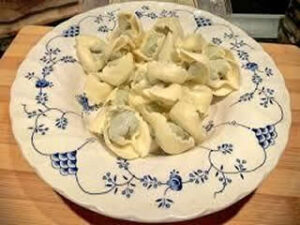
There are many other Genoese specialties, including torta pasqualina, tocco,salsa di noci to try when dining in Genoa.
The “old town” of Genoa is one of the largest and most-densely populated in Europe, known for its narrow lanes and streets that the locals call “caruggi”.
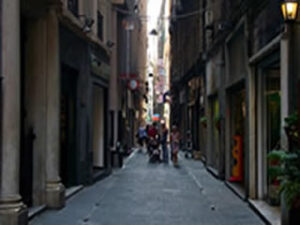
Genoa is filled with museums, monuments and sacred places to visit, as well as parks, villas and gardens, walls and forts. Theaters are abundant, including opera, concerts and plays.
The city’s rich cultural history in art, music and culture dubbed it the 2004 European Capital of Culture.
Travel by Air
The Genoa Sestri International Airport or Cristoforo Colombo Airport is by far the busiest of the three airports in Liguria. Genoa Cristoforo Colombo Airport (GOA) is the main airport for Genoa, located about 5 miles from the city center, serving both international and domestic aitlines. It was built on an area of reclaimed land with a runway that is two and a half kilometers long and has efficient flight and ground facilities.
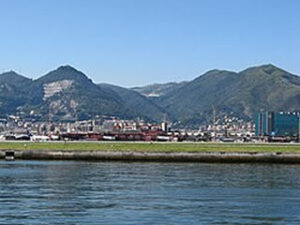
It is open all the year round, and is particularly convenient because it is in central Liguria; there are regular connecting flights to the main European cities, the UK and main Italian airports. Visit its website at www.airport.genova.it. for detailed information.
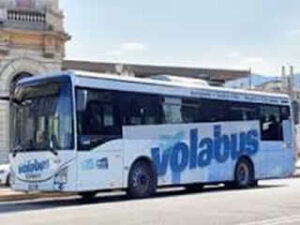
There is a convenient, fast and punctual hourly bus service, every day of the week, connecting the Airport with the city center and railway stations. The Volabus service transports travelers from Stazione Principe F.S. to Cristoforo Colombo International Airport in approximately 30 minutes and costs approximately 6 euro and includes a 60 minute journey on the AMT network (buses, metro, public elevators and funicular railways) in the same day.
There are many airports in Italy that offer flights to Genoa including:
- Milan Malpensa Airport (MXP): A popular airport for flights to Genoa.
- Milan Bergamo Airport (BGY): An airport that offers flights to Genoa.
- Milan Linate Airport (LIN): An airport that offers flights to Genoa.
- Nice Côte d Azur International Airport (NCE): An airport that offers flights to Genoa.
- Bologna Guglielmo Marconi Airport (BLQ): An airport that offers flights to Genoa.
- Florence Airport (FLR): An airport that offers flights to Genoa.
- Pisa International Airport (PSA): An airport that offers flights to Genoa.
- Turin Airport (TRN): An airport that offers flights to Genoa.
- Verona Villafranca Airport (VRN): An airport that offers flights to Genoa.
Travel By Train/Bus
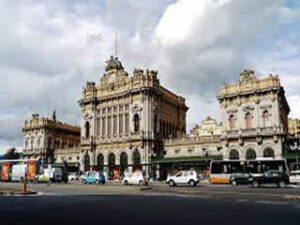
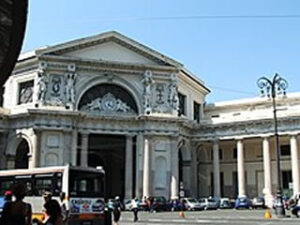
Genoa Sestre Ponente Station Piazza Principe/Brignole
Genoa has two major train stations (above): Genoa Sestre Ponente Stazione (Genova P.P.) and Piazza Principe Brignole Stazione (Genova BR). The major routes into and out of Genoa use both of these stations so it’s not simple case of arriving at and leaving from the major station: double check the station on your tickets/schedule. There are frequent train and bus services between the two stations, it takes about 5 minutes on the train.
Note below, the many means of transportation through, in and out of Genoa:
Buses: There are over 140 bus lines that run through the city, including some that go from west to east along the coastline and others that go inland.
Underground: A single underground line connects the Rivarolo area in the Polcevera Valley to the city center.
Funiculars: Two funiculars, Sant’Anna and Zecca-Righi connect the center to the higher grounds of the city.
Rack railway: A historic system that dates back to 1901 connects Piazza Principe station to the Granarolo neighborhood.
Narrow-gauge railway: The Genova – Casella railway is a historic line that runs through picturesque scenery connecting Genoa to the village of Casella.
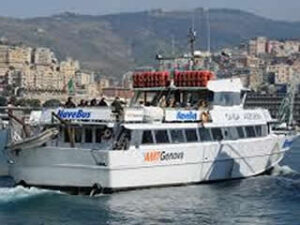
Boat line: The Navebus connects Pegli to the Porto Antico in the city center. Navebus is the service by sea, run by AMT between Genoa Pegli and Genoa Porto Antico (Caricamento). It is about a 35 minute sail connecting the western sector to the city center. Activated since 1st August 2007, it allows those who wish to discover the city from the sea, and the best solution to avoid traffic, traveling safely.
Lifts: There are 10 lifts that connect the center to the hillsides and panoramic points.
Tickets cost EUR 1.50 and are valid for 100 minutes on any type of transportation, except the airport shuttle. Tickets can be purchased at newsstands, tobacconists, and many shops and bars.
By Car
When driving to Genoa, Italy, you expect to encounter heavy traffic during rush hour and on weekends, and some areas have restricted access to vehicles:
- Rush hour: Traffic is heavy from 8–10 AM and 5–7 PM.
- Weekends: The city center can be packed with tourists, especially on Saturdays.
- Restricted traffic zones: Genoa has seven ZTLs (restricted traffic zones) which are active 24 hours a day, 365 days a year. To access these areas, you need a special permit from the municipal authorities.
- Parking: Downtown Genoa has restricted parking for non-residents, but there are parking lots outside the restricted zone.
- Driving: Some say that driving in Genoa is relatively straightforward, but others recommend avoiding it if possible.
You can get to Genoa by car via the A12, A10, A26, and A7 highways.
Genoa, the marvelous port city, is often neglected as a place that tourists consider visiting in depth. As home to one of the largest medieval town centers in the world, it is a great walking city with its bustling port, 6th century cathedral, old port, activities, theaters, palaces, villas, parks, concerts and restaurants. Also, it is the gateway to the Italian Riviera including Portofino and the Cinque Terre.
The map shows some important sites to see in Genoa’s old 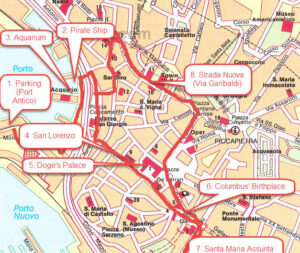 town.
town.
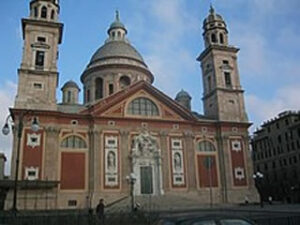
The Basilica of Santa Maria Assunta is a church in the Renaissance style built in a residential center of Genoa called Carignano. Built in the Greek cross plan, it has four similar façades on each side. Five domes and two squared-plan bell towers are found in the Neoclassic main façade. The facade has two statues. This magnificient structure is worth a visit.
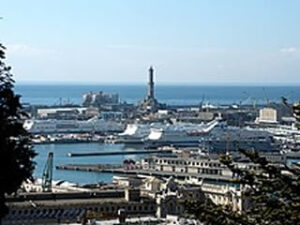 Porto Antico of Genoa is the historic center of the city, and the largest piazza on the Mediterranean. It is the always open space where tourism, culture, congresses, fairs, shows, sports, boating, catering and shopping meet every day. The Porto Antico dates dating back to medieval times, when the city was one of the nerve centers of the Mediterranean.
When Genoa was a Maritime Republic, this port was the economic and strategic heart of the city. Merchant ships and galleys bound for the eastern Mediterranean, North Africa and beyond left from the Old Port. The geographic position of Genoa along with the Genoese naval power made the port a key gateway for exchanges of spices, textiles, precious metals and other goods that fuelled the prestige of the Republic.
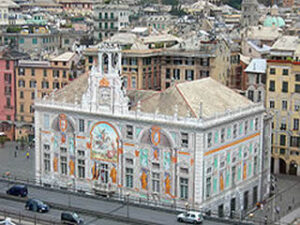 Palazzo San Giorgio, as a warehouse and also the administrative arm of the port, stands out for its historical role. Later, it became the world’s first public bank, making Genoa a major financial center. The outer façade is decorated with stories of the city’s power and influence in the Golden Age.
The Pirate Ship and the Aquarium have been described in the pages of Liguria and are a wonderful experience for children and adults alike. Also underlined is the home of Christopher Columbus found on the highlights page in Liguria. Be sure to visit the Cathedral of Genoa.
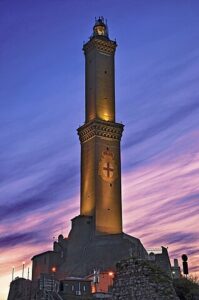
The Lighthouse of Genoa known as La Lanterna, is the main lighthouse serving the port of Genoa. As an important aid to night navigation in the vicinity, it is a symbol and a landmark for the city of Genoa. It was reconstructed in 1543 replacing the former lighthouse. La Lanterna is the world’s fourth oldest lighthouse. Built of masonry, at 76 m (249 ft), it was constructed in two square portions, each capped by a terrace. It is crowned by a lantern from which its light shines forth. It is the tallest lighthouse on the Mediterranean Sea.
Genoa is a city of many activities throughout the year.
Arena del Mare is a stage under the stars. In the summer, this piazza turns into an open-air theatre offering many spectacular concerts and other grand events. It is particularly suited for for unforgetable international concerts with a seating capacity of 5,250. Tickets can be purchased athttps://www.stubhub.com/arena-del-mare-genoa-tickets/venue/150032154/ This venue morphs into an open-air theater for more sophisticated performances including liric works, ballet and sinphonic concerts with seating capacity for about 1,260 persons. The Arena del Mare is located at Calata Gadda at the end of the port of the Magazzini del Cotone. Visit the websit of PortoAntico https://portoantico.it/en/activities/ .
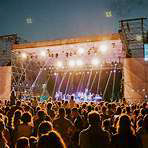 Arena del Mare
The Porto Antico offers numerous opportunities to explore in addition to museums, cultural centers, stores, galleries, restaurants, caffes, bars. There is a swimming pool as well as other water activities, and in the winter there is even an ice skating rink. Then there is the Genoa exhibition center, home to exciting business and professional shows.
The Genoese Waterfront welcomes you to the Porto Antico and the Fiera di Genova.
Genoa Nightlife
Dancingin Genoa into the early hours offers a selection of clubs and late-night venues. It is not as well known as Milan or Rome for clubbing, but Genoa has some options, particularly on weekends. The clubs open late, often around 11 PM or midnight, and remain open all night into the morning. You can enjoy a mix of electronic music, pop, and Italian hits, depending on the venue. You will find many of these clubsMany clubs in the Porto Antico area and along the coastal promenades.
It’s always a good idea to be aware of the before you go. While many places are casual, some upscale clubs might prefer smart-casual attire. Weekends see the highest energy, with local DJs and occasional guest artists. Don’t forget that after a night of dancing, you might crave some sustenance. Fortunately, there are plenty of options for late-night dining, from pizza slices to traditional focaccia, as well as many other traditional delights. These venues ensure your energy levels stay high for all the excitement.